(Disclaimer 1: Originally written in Mandarin, translated to English, checked, and re-organized by Sonnet 4.6.)
(Disclaimer 2: This isn't a self-help piece. No frameworks, no takeaways you're supposed to screenshot. If you're here for actionable insights, this probably isn't for you. If you're tired of being lectured at, stay.)
The last piece I wrote touched on AI as a catalyst, on how it helped me refocus on what I actually care about. But I glossed over the harder part: what it actually took to get there.
Before February, concentration wasn't even in my vocabulary. My entire work identity was built on multitasking, fast collaboration, constant context-switching, outside of work — networking, entertainment, doomscrolling, more doomscrolling. I loved the pace. I genuinely did. But the human brain has its limits, and mine hit them hard.
Too many nights staring at the ceiling until dawn. Closing the laptop and feeling completely hollow. Losing the thread of conversations with people I cared about — unable to remember what we'd talked about, what mattered to them, what I'd said.
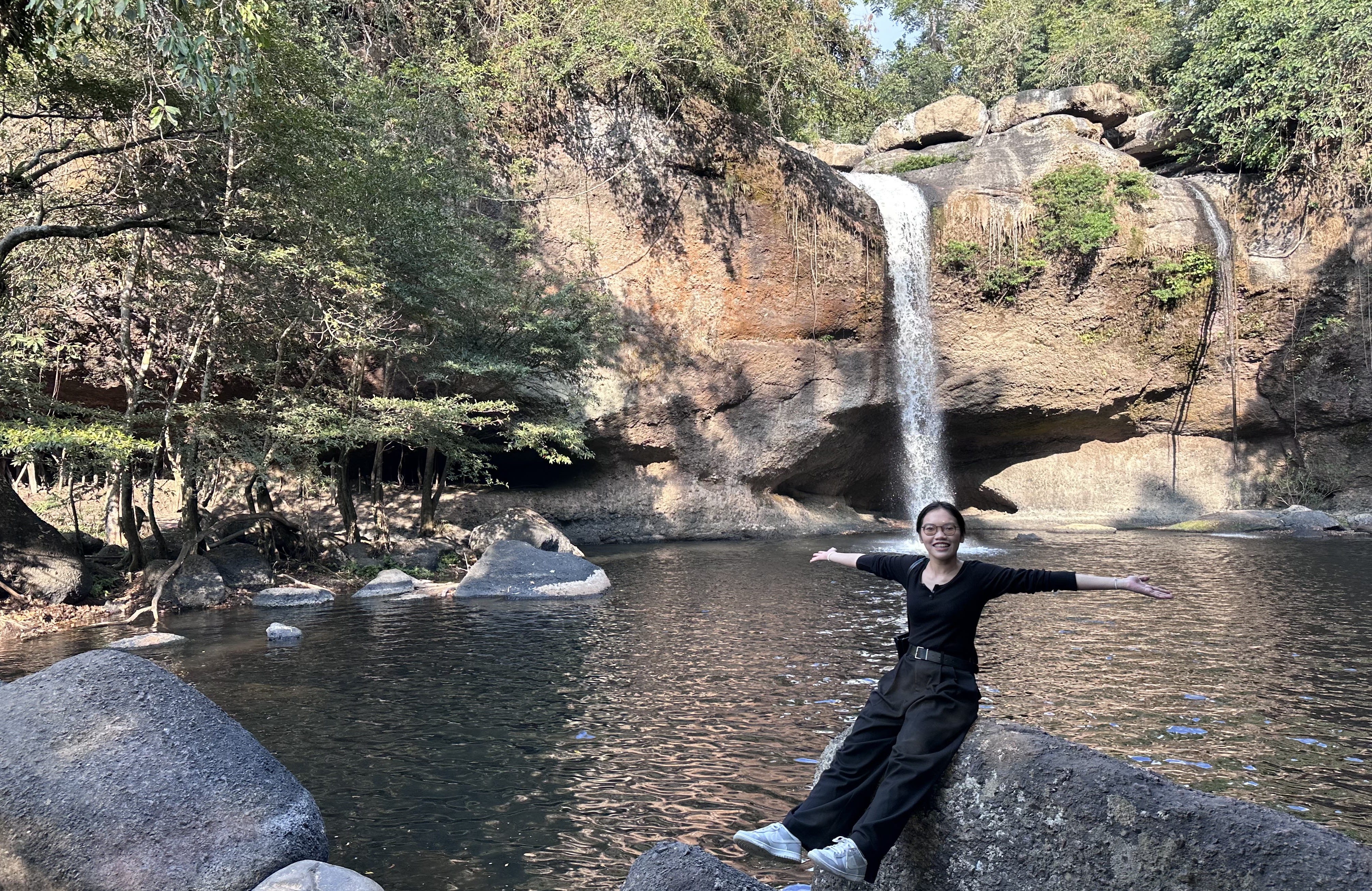
I eventually called it what it was: a disaster. I couldn't imagine surviving my own career past 40 at that rate. So I went to a temple in Thailand.
I wasn't sure if I was supposed to go with a goal. But I had one: I want to take back control of my own attention.
What nobody tells you about temple life
No talking. No notes. No exercise. No cleaning. Basically, no output of any kind. It forces you to sit with yourself — your unresolved questions, your uglier parts, your old wounds. The pain was physical. I ran a fever. My stomach cramped more times than I could count.
Every night, about twenty minutes before sleep, there was time to speak with the abbot. I only clearly remember what I said on the first night — at my most broken, most raw:
"I feel like an animal."
He didn't give me advice. He said: "This is part of the journey."
I asked: does everyone go through this?
"This is part of the journey," he said again. "Your journey."
Theravada Buddhism drew me in partly because of this — its emphasis on personal pursuit over universal prescription.
I sat with that for three days before it landed. He never said it was a necessary part of the journey. Just that it was part of mine — the distinction between the path and your path.
From how to why
The first half of my time there was about how to concentrate. The second half became something harder: why concentrate?
What do I actually care about? What am I concentrating on?
Once I had a reason, concentration stopped being something I chased. It just showed up.
I'm lucky. I love what I do. I love the version of the world I'm trying to work toward. I love the people in my life.
Now I can finish work with full focus, and actually stop when I need to rest. I can sit with something complex and learn without my attention splintering. I can be present with people I care about in the time we actually have.
That's enough.
Knowing why — that's enough.
A few things worth asking yourself, before anything else:
Why use AI. Why concentrate. Why work hard. Why work at all. Why love someone.
Notice these are verbs. They're not reasons, they're results. The reason lives underneath.
This is your journey. What's it for?